

Making informed health choices can feel overwhelming when you're navigating conflicting advice and wondering which changes truly matter. Regular health monitoring transforms this guesswork into clarity by providing personalised data that reveals exactly what your body needs. Whether through structured NHS Health Checks, blood tests, or wearable technology, consistent tracking empowers you to spot trends early, adjust lifestyle habits with confidence, and prevent serious conditions before they develop. This article explores the proven benefits of regular health monitoring, from reducing disease risk to enabling smarter wellness decisions, whilst addressing important considerations around overdiagnosis and data privacy.
Table of Contents
- Key takeaways
- Criteria for effective health monitoring
- Advantages of structured health checks like NHS Health Check
- Emerging benefits and challenges of wearable and AI-driven health monitoring
- Weighing the risks: overdiagnosis and patient perspectives
- Optimise your wellness with ClearUp's health monitoring solutions
- Frequently asked questions about regular health monitoring
Key Takeaways
| Point | Details |
|---|---|
| Early detection reduces risk | Regular health monitoring helps identify trends early so people can adjust their lifestyle and prevent serious conditions. |
| Cost effective checks | Evidence suggests NHS style checks offer good value by improving health markers and reducing expensive complications. |
| Personalised data driven decisions | Wearable tech and monitoring data enable personalised wellness plans tailored to individual needs. |
| Overdiagnosis and privacy | The article notes the importance of balancing benefits with potential overdiagnosis and protecting personal data. |
Criteria for effective health monitoring
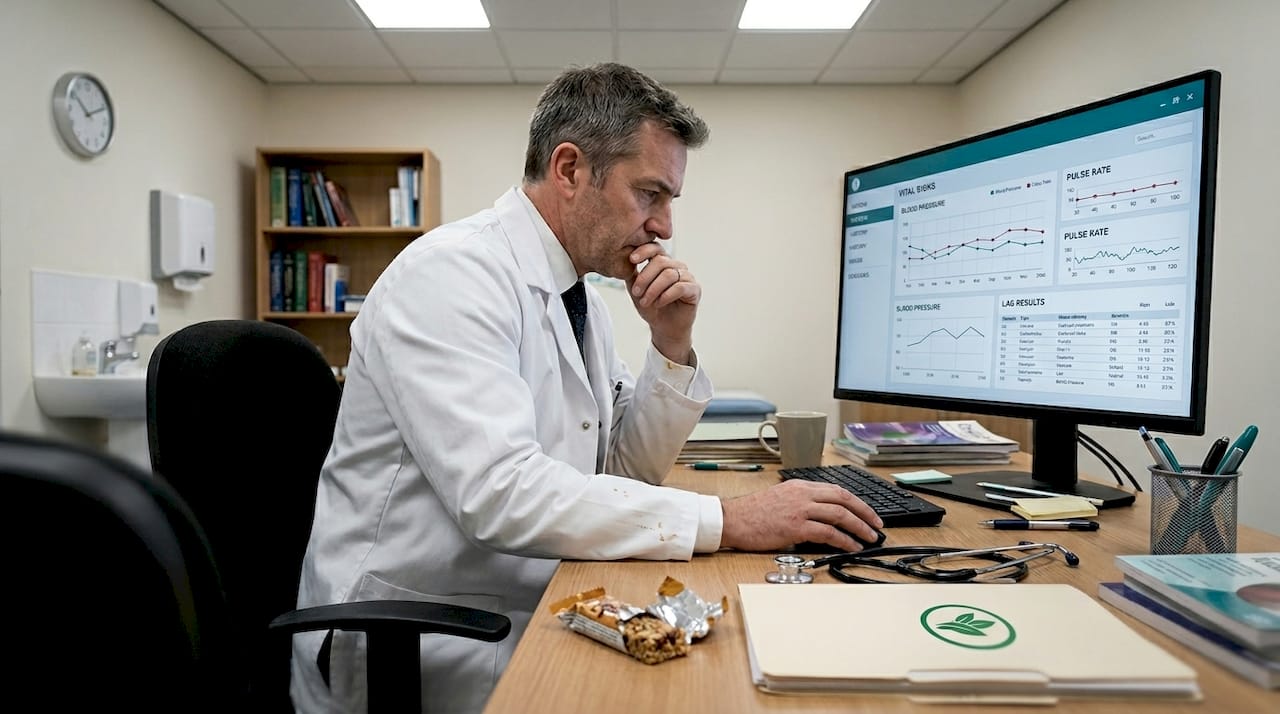
High-quality health monitoring programmes share several essential characteristics that distinguish them from superficial check-ups. The NHS Health Check methodology exemplifies this approach, offering comprehensive measurements every five years for people aged 40 to 74. These assessments include vital signs like blood pressure and heart rate, plus crucial blood markers such as cholesterol and glucose levels that reveal your cardiovascular and metabolic health status.
Effective monitoring also incorporates validated risk assessment tools. The QRISK3 score, for instance, calculates your 10-year cardiovascular disease risk by combining multiple health factors, enabling targeted prevention strategies. Similarly, dementia risk scores help identify modifiable factors like alcohol consumption and physical activity levels that influence cognitive health trajectories.
Key components of robust health monitoring include:
- Regular intervals that capture meaningful trends rather than isolated snapshots
- Lifestyle evaluations covering nutrition, exercise, sleep, and stress management
- Integration of quantitative measurements with qualitative health discussions
- Clear communication of results with actionable recommendations
- Follow-up mechanisms to track progress and adjust interventions
The most effective programmes blend technology with human expertise. Whilst health monitoring tools can track your data efficiently, combining these with professional review ensures personalised interpretation that accounts for your unique circumstances. This hybrid approach maximises the value of your measurements whilst avoiding the pitfalls of purely automated analysis.
Pro Tip: Schedule your health checks at the same time each year to establish consistent baseline comparisons. Morning appointments often yield more accurate fasting blood test results.
The interval between assessments matters significantly. Annual checks may seem thorough, but five-yearly intervals often provide sufficient data for most healthy adults whilst reducing unnecessary testing. Your progress tracking between formal assessments can fill gaps with continuous monitoring of key metrics like weight, activity levels, and blood pressure.
Advantages of structured health checks like NHS Health Check
Participating in structured health assessments delivers measurable improvements in both longevity and quality of life. Research tracking over 400,000 UK Biobank participants found that attending NHS Health Checks reduced all-cause mortality by 23%, with particularly strong benefits for dementia and liver disease risk reduction. These aren't marginal gains but substantial protective effects that accumulate over time.
The economic case for regular monitoring proves equally compelling. Economic evaluations demonstrate cost-effectiveness at approximately £900 per quality-adjusted life year gained, with participants showing measurable BMI reductions and lower healthcare costs from prevented complications. When you consider the expense of treating advanced diabetes or cardiovascular disease, preventive monitoring represents exceptional value for both individuals and the health system.
| Health marker | Typical measurement | Monitoring benefit |
|---|---|---|
| Blood pressure | Systolic/diastolic reading | Detects hypertension before organ damage occurs |
| Total cholesterol | LDL, HDL, triglycerides | Identifies cardiovascular risk requiring dietary changes |
| Blood glucose | Fasting or HbA1c | Reveals prediabetes when lifestyle intervention is most effective |
| BMI and waist circumference | Weight relative to height | Tracks obesity trends linked to multiple disease risks |
Structured checks work because they create accountability moments that prompt behaviour change. Receiving tangible evidence that your cholesterol has crept into concerning territory proves far more motivating than abstract warnings about future health risks. Many people report that seeing their numbers improves adherence to exercise routines, dietary modifications, and medication regimens.
The psychological benefit of regular monitoring extends beyond motivation. Knowing your baseline measurements reduces anxiety about unknown health status whilst empowering proactive management. You transform from a passive recipient of healthcare into an active participant who understands your body's signals and responds appropriately.
Pro Tip: Request copies of all your test results and track them in a progress monitoring system to visualise trends over time. Small improvements become visible and encouraging when charted consistently.
Beyond individual metrics, comprehensive checks assess interaction effects between risk factors. Someone with borderline high blood pressure and slightly elevated blood sugar faces exponentially higher cardiovascular risk than either factor alone would suggest. Testing services that evaluate multiple markers simultaneously provide this crucial context that isolated measurements miss.
"Regular health monitoring shifted my perspective from reacting to symptoms to preventing problems before they start. Seeing my HbA1c trend downward after dietary changes proved I was making real progress."
Emerging benefits and challenges of wearable and AI-driven health monitoring
Wearable technology and artificial intelligence are revolutionising health monitoring by enabling continuous tracking that traditional appointments cannot match. Modern devices measure heart rate variability, blood oxygen saturation, sleep stages, and even blood pressure throughout your day, capturing patterns that episodic clinic visits miss entirely. This continuous monitoring capability enables early detection of conditions like insulin resistance and heart failure with impressive predictive accuracy.
AI algorithms analyse this constant data stream to identify subtle deviations from your personal baseline. They can detect irregular heart rhythms, predict blood sugar crashes before they occur, and recommend optimal timing for meals or exercise based on your circadian patterns. These personalised nudges help you make micro-adjustments that compound into significant health improvements over weeks and months.
Key advantages of wearable health monitoring include:
- Real-time feedback that enables immediate behaviour modification
- Detection of nocturnal events like sleep apnoea or heart arrhythmias
- Objective activity tracking that reveals actual versus perceived exertion levels
- Longitudinal data collection that captures seasonal and lifestyle pattern effects
- Enhanced independence for managing chronic conditions between clinical appointments
Yet these powerful tools introduce legitimate concerns that deserve careful consideration. Expert analyses highlight risks including cyberattacks on health data, algorithmic bias that disadvantages certain populations, privacy violations from data sharing, and over-reliance on technology that displaces clinical judgement. The convenience of wearables can paradoxically increase anxiety when users obsess over minor fluctuations or receive false alarms.
Balancing benefits with risks requires thoughtful implementation:
- Choose devices from reputable manufacturers with transparent data policies
- Understand what your wearable actually measures versus what it estimates
- Use technology to inform discussions with healthcare providers, not replace them
- Set boundaries around monitoring frequency to prevent data overwhelm
- Verify significant findings with clinical-grade measurements before acting
The most effective approach combines wearable insights with periodic professional assessments. Your smartwatch might flag concerning heart rate patterns, but confirming atrial fibrillation requires proper ECG testing. Similarly, nutrition tracking apps provide valuable dietary awareness, whilst registered dietitians offer personalised interpretation that algorithms cannot match.
Pro Tip: Designate one day weekly as your "data review day" rather than checking metrics constantly. This routine provides sufficient insight whilst preventing obsessive monitoring that increases stress.
Sleep monitoring solutions illustrate this balanced approach beautifully. Wearables reveal your sleep architecture and disturbances, but interpreting whether your REM percentage matters requires understanding your individual health context and goals.
"Wearable technology gives you continuous insights, but human expertise provides wisdom. The best health monitoring combines both rather than choosing between them."
Weighing the risks: overdiagnosis and patient perspectives
Whilst regular monitoring delivers substantial benefits, understanding potential harms ensures informed participation. Overdiagnosis occurs when screening identifies conditions that would never cause symptoms or reduce lifespan, leading to unnecessary treatments that carry their own risks and costs. Someone labelled with borderline diabetes might experience psychological distress and undergo interventions despite never developing clinically significant disease.
The challenge lies in distinguishing genuine early detection from identifying harmless variations. Not every elevated biomarker requires aggressive intervention, and some screening programmes detect slow-growing conditions that treatment cannot improve. This creates a paradox where more monitoring sometimes reduces rather than enhances wellbeing through the burden of unnecessary medical involvement.
| Consideration | Potential benefit | Potential harm |
|---|---|---|
| Early detection | Identifies treatable conditions when intervention is most effective | May find incidental abnormalities requiring invasive follow-up |
| Lifestyle motivation | Concrete data encourages healthy behaviour changes | Anxiety over minor fluctuations can reduce quality of life |
| Cost and access | Preventive monitoring reduces long-term healthcare expenses | Upfront costs and time commitment may be prohibitive |
| Data insights | Personalised understanding of your unique health patterns | Privacy concerns and potential for data misuse or breaches |
Patient experiences with health monitoring vary considerably based on individual preferences and circumstances. Research on patient perspectives reveals that whilst many people feel empowered by tracking their health data, others report feeling overwhelmed by information burden or anxious about technology reliability. Some appreciate the autonomy that monitoring provides, whilst others prefer less frequent engagement with health metrics.
Factors influencing whether monitoring helps or hinders include:
- Your baseline health anxiety levels and tendency toward reassurance-seeking
- Whether you have existing conditions requiring close tracking or are generally healthy
- Access to healthcare providers who can interpret results and provide context
- Your comfort level with technology and data interpretation
- Financial resources to act on monitoring insights through lifestyle changes or treatments
The key to beneficial monitoring lies in transparent communication about both benefits and limitations. Understanding that not every abnormal result requires immediate action helps prevent overreaction whilst maintaining appropriate vigilance. Your health programme onboarding should include clear discussion of what monitoring can and cannot tell you, plus protocols for responding to concerning findings.
Pro Tip: Before starting intensive health monitoring, clarify your goals and risk tolerance with your healthcare provider. Establish thresholds for action versus observation to prevent unnecessary anxiety over minor variations.
Choosing the right monitoring intensity for your situation requires honest self-assessment. Someone with multiple cardiovascular risk factors benefits from closer tracking than a healthy young adult with no family history of disease. Personalised monitoring plans that match your actual risk profile and preferences deliver optimal value whilst minimising potential downsides.
Optimise your wellness with ClearUp's health monitoring solutions
Transforming health data into meaningful lifestyle improvements requires more than just collecting measurements. ClearUp bridges this gap by translating your NHS blood test results into personalised guidance you can actually use. Rather than wondering what your cholesterol levels mean or how to improve them, you receive specific recommendations for nutrition adjustments, sleep optimisation, and movement patterns tailored to your unique biomarkers.
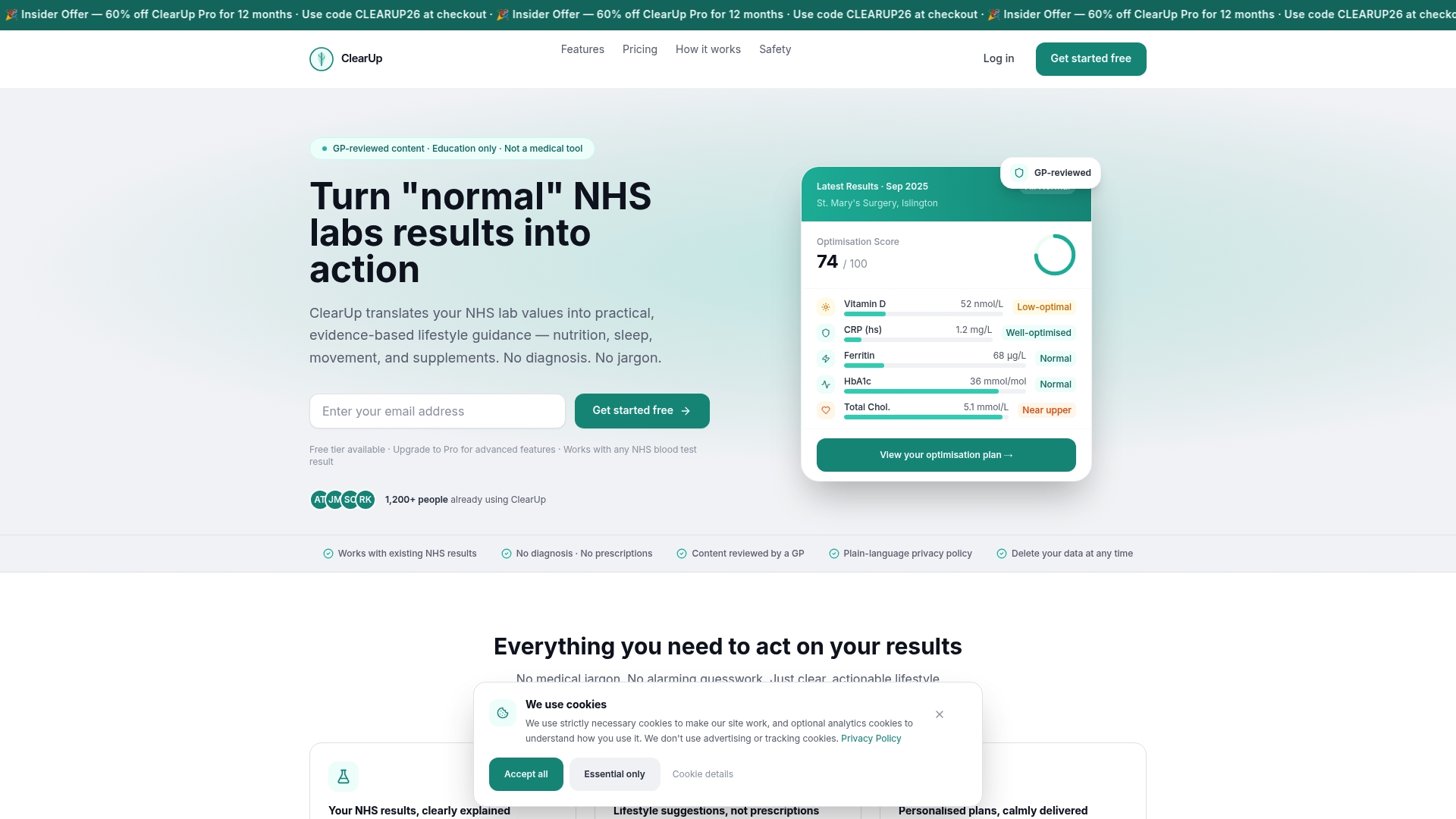
Our integrated platform combines progress tracking with comprehensive lab testing services and nutrition guidance to support your entire wellness journey. You'll understand not just what your numbers are, but why they matter and exactly how to optimise them through evidence-based lifestyle changes. The platform respects your privacy by storing only information you choose to enter, giving you complete control over your health data whilst benefiting from AI-powered insights that identify patterns and opportunities for improvement.
Frequently asked questions about regular health monitoring
How often should I have health checks if I'm feeling well?
Healthy adults aged 40 to 74 benefit from comprehensive checks every five years through the NHS Health Check programme, which provides sufficient data to track meaningful trends without excessive testing. Between formal assessments, monitoring key metrics like blood pressure and weight annually helps catch changes early whilst your health monitoring system can track daily habits continuously.
What are the most important measurements to monitor regularly?
Blood pressure, cholesterol levels, blood glucose, and BMI form the core quartet for cardiovascular and metabolic health assessment. These markers predict risk for the most common serious conditions whilst remaining modifiable through lifestyle changes. Adding markers specific to your family history or existing conditions provides additional personalised insight without overwhelming you with unnecessary data.
Can wearable devices replace traditional health assessments?
Wearables complement rather than replace clinical assessments by providing continuous tracking between formal check-ups. Whilst they excel at monitoring heart rate, activity, and sleep patterns, they cannot measure blood chemistry or perform physical examinations. The optimal approach combines wearable insights with periodic professional evaluation to gain both continuous awareness and clinical-grade accuracy.
How do I balance the benefits and risks of frequent testing?
Focus monitoring intensity on your actual risk factors rather than testing everything possible. Someone with prediabetes benefits from quarterly HbA1c checks, whilst a healthy individual without risk factors needs less frequent assessment. Establish clear action thresholds with your healthcare provider so you know which results require intervention versus simple observation.
What should I do if monitoring reveals abnormal results?
Avoid immediate panic, as single abnormal readings often reflect temporary factors like recent meals, stress, or measurement error. Confirm concerning findings with repeat testing and professional evaluation before making major decisions. Many borderline results improve through lifestyle modifications alone, making them opportunities for prevention rather than immediate medical crises requiring aggressive treatment.